Selecting the correct steel doors for a commercial building is a critical decision that impacts the safety of occupants and protection of valuable assets.
With a wide range of options available, it can be a complex decision that requires an in-depth understanding of the purpose, uses and level of protection required.
Steel Security Doors
When it comes to security doors, material choice is paramount. Steel doors are widely regarded as the gold standard due to their strength and durability, and unlike wood or aluminium, steel can withstand significant force and is less susceptible to wear and tear over time.
When used externally, it is essential to consider the door’s resistance to corrosion. Magnelis® – used as the base material for a number of our doors, including SECUR-DOR 2.1 and TUFF-DOR 2.1 – provides superior anti-corrosion resistance compared to standard galvanised products.
However, a modern security door needs to do much more than resist forced entry and corrosion. Many buildings require doors that also provide good thermal insulation, smoke resistance, effective weather sealing or high acoustic performance. For instance, GLAS-DOR can achieve intruder resistance to EN 1627 (RC2 to RC4), can be supplied ballistic resistant to EN 1522-2, is available smoke rated to EN1634-3 and offers up to 45dB acoustic reduction.
Security Standards
Where security doors have been specified, choosing a door that meets recognised standards is essential. PAS 24 is the minimum standard for doors fitted to new residential buildings to meet Approved Document Q of Building Regulations, whilst LPS 1175 offers higher security ratings suitable for industrial/commercial applications. Meeting these standards indicates that the door has undergone rigorous third party testing to withstand forced entry attempts.
For example, SECUR-DOR 2.1 provides PAS 24 (2022) tested protection against physical attack, and the TUFF-DOR range is fully certified to LPS 1175 (SR2, SR3 and SR4) and therefore designed to offer an enhanced level of security for a wide range of premises. Security steel doors, such as TUFF-DOR 4.1 certified to SR4 (issue 7), can offer protection against forced entry using tools such as jigsaws, sledgehammers and disc grinders. These doors have robust locking mechanisms, which are secure at multiple points, providing an added layer of protection against forced entry.
Balancing Security & Aesthetics
Whilst security is the primary concern, the design of the door should not be overlooked. Aesthetically pleasing doors can enhance the overall appearance of commercial premises and complement the building’s architecture.
Some security door manufacturers offer customisation options, which means a door can be tailored to specific requirements. This can include colour choices, finishes and additional features such as vision panels for visibility without compromising security.
Fire Safety
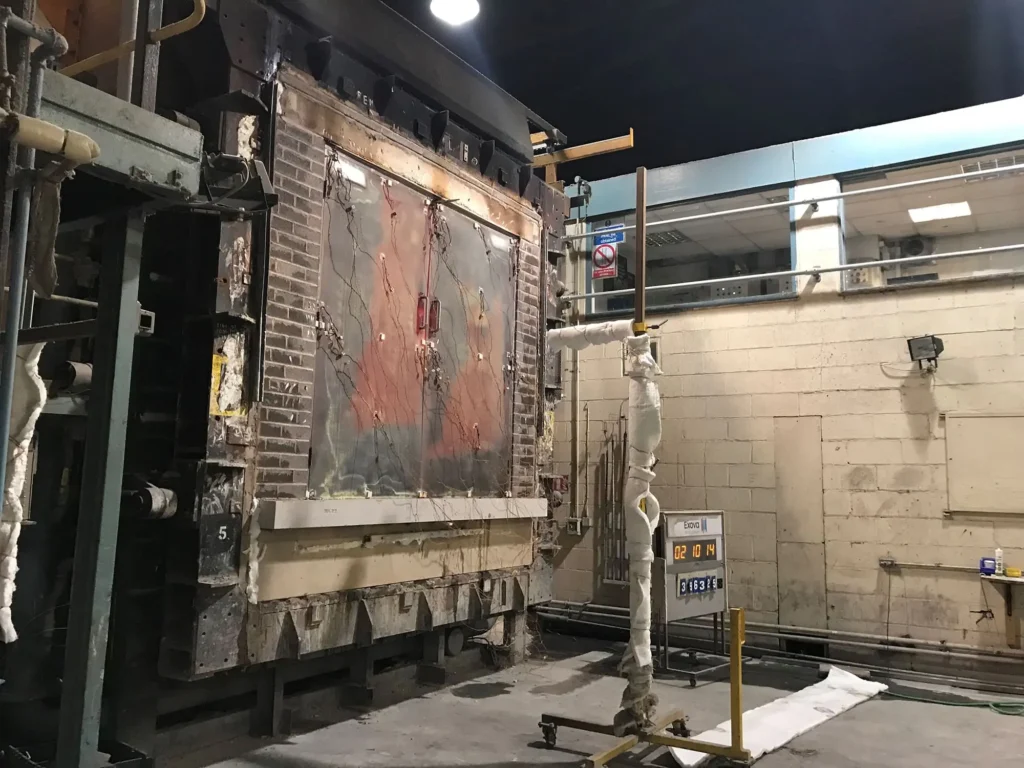
In commercial settings, designated doors must also meet fire safety regulations. Fire-rated doors are designed to withstand high temperatures and prevent the spread of flames and smoke, usually for between 30 to 240 minutes. It is important to ensure that the door specified complies with relevant fire safety standards, being tested in accordance with EN 1634-1.
Installation Considerations
Correct installation is crucial for ensuring the door’s performance. An incorrectly installed door can create vulnerabilities that compromise the safety and security of a building. In addition, the door frame must be sufficiently robust to withstand potential attacks, which is why doorsets are tested as a whole system. A strong frame is essential for supporting a fire or security door and maintaining its integrity over time.
Once a door is chosen, it is essential that regular inspections of the door are carried out to check for signs of wear and tear, particularly on hinges, locks, and the frame. Addressing minor issues promptly can prevent more significant problems down the line.
Invest In Quality
Investing in high-quality doorsets is crucial for long-term protection of a building. This investment will ensure better durability, lower maintenance costs and less repairs over time.
As we have highlighted, there are many factors to take into account when specifying steel doors. From evaluating material choices, to considering security and fire safety standards and the purpose of the buildings and its occupants, choosing the right doorset can offer enhanced safety and protection of the building and its occupants for years to come.
Expert Advice
For further guidance on specifying steel doorsets, contact us on 01782 592900 or email .