With the Terrorism (Protection of Premises) Act 2025, commonly known as Martyn’s Law, due to come into force in Spring 2027, architects, contractors and specifiers working on larger public venues need to consider how their buildings can provide greater protection against terrorist threats.
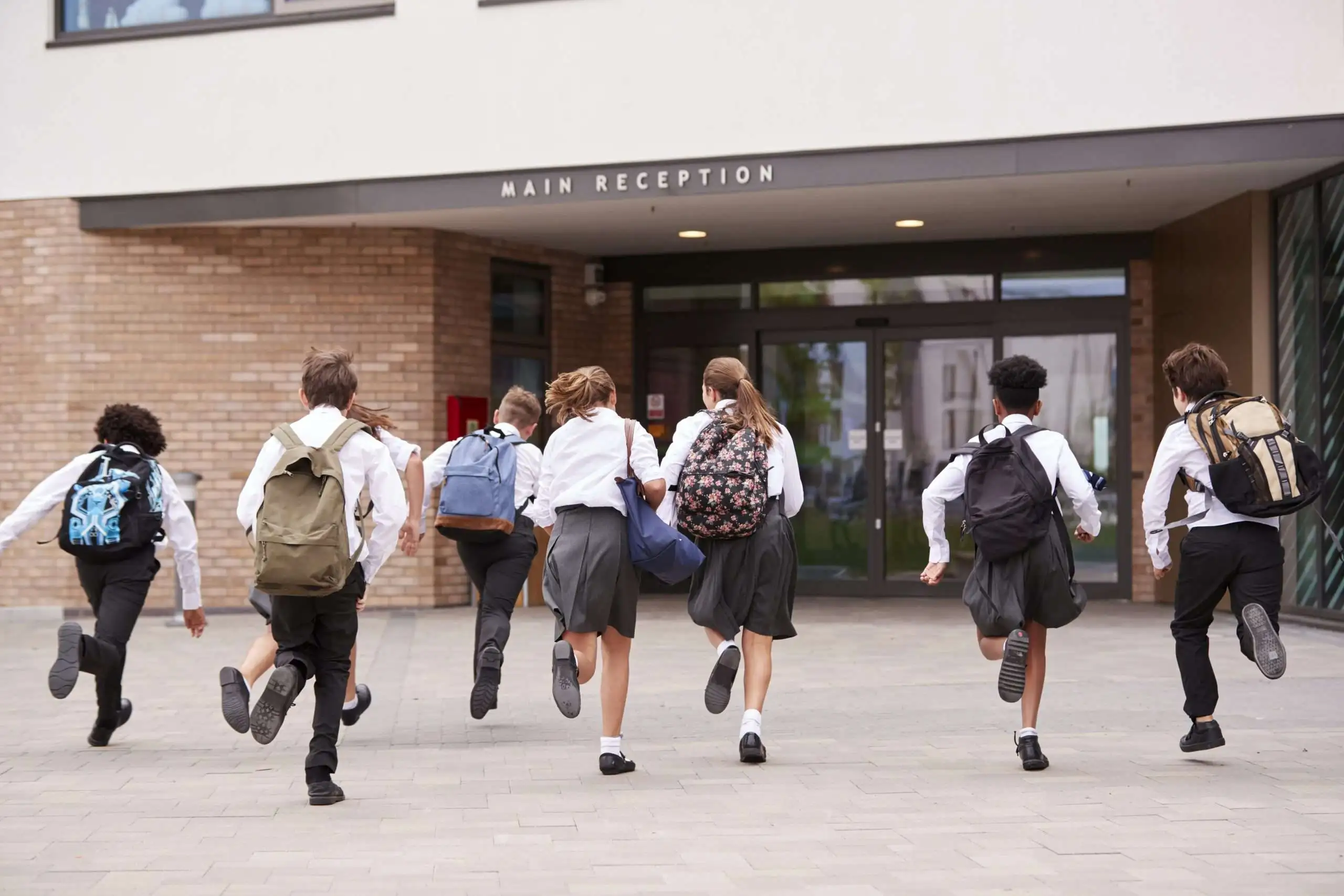
For larger venues, including many secondary schools, sixth form colleges, universities, theatres and leisure facilities, this means looking beyond traditional fire and life safety requirements and considering how the building itself can support security, lockdown and emergency response procedures.
Doors play an important role in this strategy. From controlling access and creating secure zones to supporting lockdown procedures and providing safe escape routes, the correct door specification can help create a more resilient building.
What is Martyn’s Law?
Martyn’s Law – officially known as the Terrorism (Protection of Premises) Act 2025 – is designed to improve the protection of people against terrorist attacks at publicly accessible premises and events.
For larger venues, the legislation introduces requirements around security preparedness, including measures to reduce the risk of harm and ensure organisations are prepared to respond effectively to a terrorist attack.
For architects and specifiers, this means security needs to be considered at an early stage of the design process, rather than being treated as an operational or hardware issue once a building is complete.
The Role of Doors in Building Security
Doors are one of the most important physical elements of a building’s security strategy. They control access, divide buildings into separate areas and determine how quickly occupants can move through or secure different parts of a building.
When considering door specification for schools and other public buildings, there are four key functions to consider:
- Entry control: External doors and key internal access points should provide appropriate levels of access control, helping to prevent unauthorised people from entering the building.
- Zoning and compartmentalisation: Internal doors can be used to divide a building into secure zones and protected areas, helping to control movement and restrict access when required.
- Lockdown capability: Doors within designated lockdown areas need to be capable of being secured quickly and reliably, allowing occupants to shelter inside the building if required.
- Emergency escape: Security measures should never compromise safe evacuation. Escape routes must remain accessible and easy to operate, allowing occupants to leave quickly in an emergency.
Considering all four requirements together is particularly important in schools, colleges and other high-footfall buildings where security and life safety requirements need to work alongside each other.
Evacuation and Invacuation: What’s the Difference?
One important consideration when specifying doors for security and emergency situations is the difference between evacuation and invacuation.
Evacuation involves moving people out of a building to a place of safety, while invacuation involves moving people into a protected area within the building.
In a potential terrorist incident, invacuation may be required rather than evacuation. This means doors serving designated refuge or lockdown areas may need to provide enhanced resistance against forced entry while still allowing occupants to escape quickly from inside if circumstances change.
This can create a challenging specification requirement. The doorset needs to balance security from one side with safe and simple escape from the other.
For this reason, the door leaf, frame, locking system and hardware should be considered as a complete doorset rather than individual components specified separately.
What Should be Considered When Specifying Security Doors?
While Martyn’s Law does not prescribe a specific security doorset standard, specifiers should consider how the proposed door solution supports the building’s overall risk assessment and security plan.
Key considerations include:
- Third-party certified doorsets – specifying doorsets that have been independently tested and certified provides greater confidence that the complete system will perform as intended.
- Appropriate resistance levels – security performance should be based on the specific risks associated with the building and its location, rather than applying the same specification to every door.
- Reliable locking systems – locks and access control hardware should be suitable for the level of use and capable of performing reliably under pressure.
- Fire and security performance – where both fire and security protection are required, these requirements should be considered together at the design stage.
- Panic hardware – doors on escape routes should incorporate suitable panic exit hardware that is robust, reliable and simple to operate in an emergency.
Can Existing Doors be Upgraded?
For existing schools and public buildings, there may be a temptation to upgrade individual locks or hardware rather than replace the complete doorset.
However, this approach needs careful consideration. Installing a higher-security lock onto a door leaf or frame that has not been designed or tested to resist forced entry does not necessarily create a security-rated doorset.
The strength of the complete doorset is important, and combining independently selected components can potentially compromise the performance of the overall system.
For higher-risk locations such as main entrances, reception areas, external access points and designated lockdown areas, replacing an existing doorset with a tested and certified security solution may provide a more robust approach.
Security Doors for Schools & Public Buildings
Steel security doors can provide a durable physical barrier at key access points, helping to control movement and delay unauthorised entry.
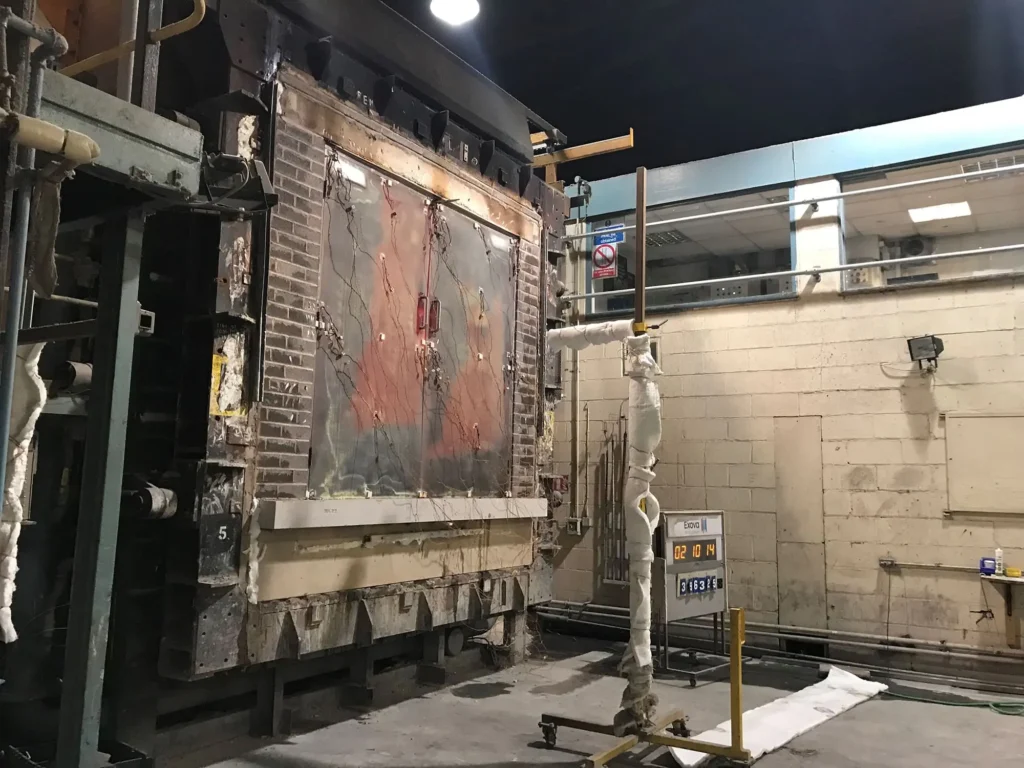
Robust UK offers a range of third-party tested and certified steel security doors suitable for educational, commercial and public buildings. SECUR-DOR 2.1 is PAS 24 (2022) certified and Secured by Design approved, while the TUFF-DOR range provides higher levels of security performance through LPS 1175 certification.
Security-rated doors can also be specified with fire resistance and suitable panic hardware where required, helping to bring security and life safety requirements together within a single doorset.
For internal applications, steel doorsets can also be used to create secure zones and support lockdown strategies without unnecessarily restricting normal circulation throughout a building.
Designing Security Into the Door Specification
As Martyn’s Law approaches, security considerations are becoming an increasingly important part of the design process for schools, colleges, universities and other larger public venues.
The key is to consider security from the outset. Rather than relying on hardware upgrades or attempting to address security weaknesses once construction is complete, the doorset specification should form part of the wider building security strategy.
For buildings subject to heavy daily use, durability is also an important consideration. Doors in schools, leisure facilities and other public buildings may be opened and closed thousands of times each year, so long-term performance and reliability are just as important as the initial security rating.
By specifying appropriate, independently tested steel doorsets at key external and internal locations, architects and specifiers can help create buildings that are better prepared for a range of security scenarios while continuing to meet essential fire and life safety requirements.
With Martyn’s Law due to come into force in Spring 2027, now is the time to consider how the door specification can support a building’s wider security strategy.
Expert Advice
For more information about Robust UK’s security doors for schools and public buildings, visit the Robust UK Education sector page, or explore our range of security doors. Alternatively, our estimating team are available on 01782 592900 or .